rsbell7071's pick · Updated August 2026
The Subtle Art of Not Giving a F*ck
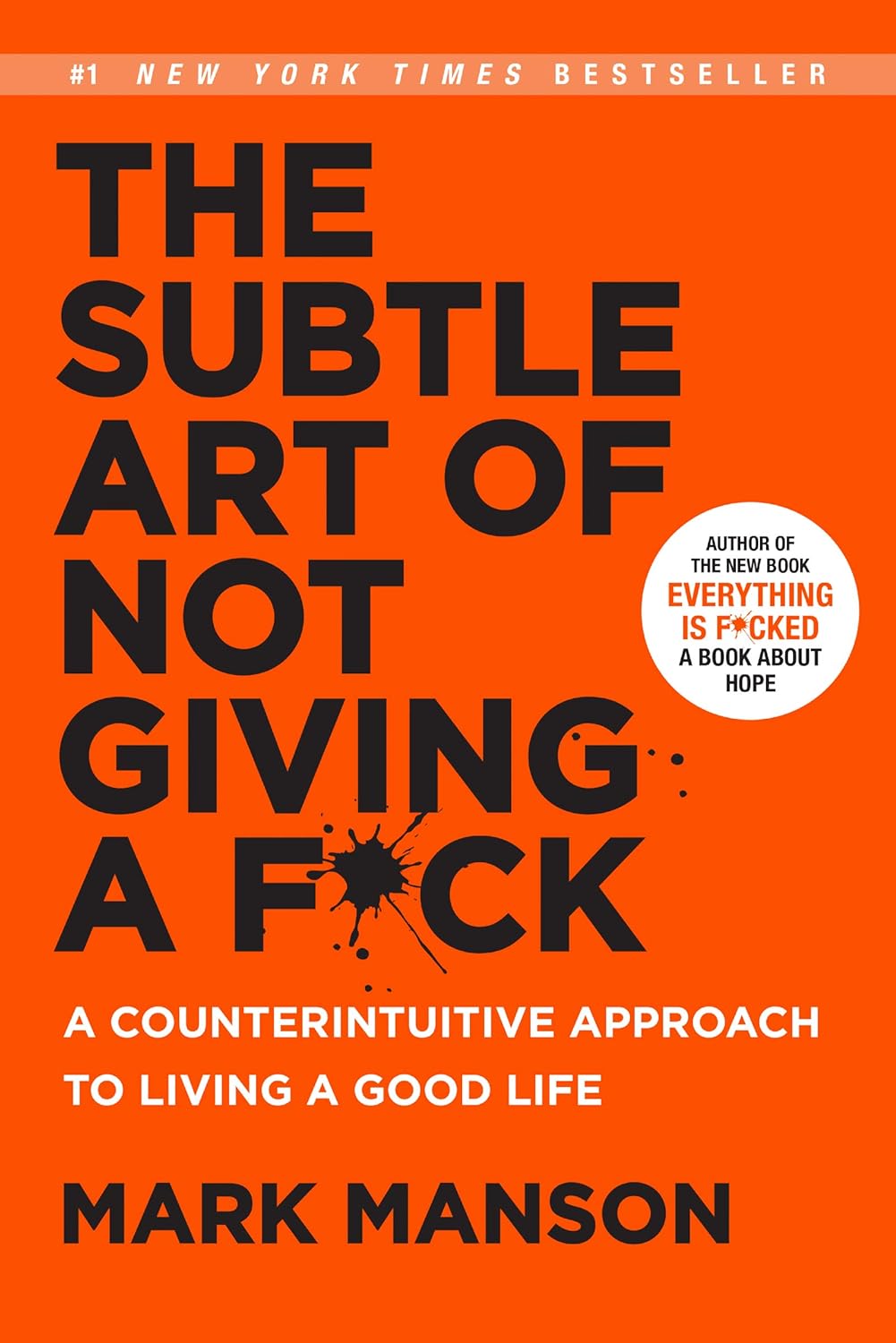
The Subtle Art of Not Giving a F*ck may suit readers who want a direct, skeptical take on self-help rather than a gentle, affirming one. It also makes sense for someone who is curious about a popular personal-development title but wants to know what kind of approach it takes before committing time to it. The book's framing is part of its appeal and part of its divide-the-room quality, so the right reader is probably someone who is open to blunt language and an argument that challenges the usual "just think positive" tone.
One reason this title continues to draw attention is that it promises a counterintuitive way of thinking about priorities, discomfort, and what deserves attention. That can be useful if you are tired of self-help that feels vague or overly polished. A book like this may be worth considering if you want a shorter, punchier read that tries to reframe how you think about limits, expectations, and the habits that drain your energy. It may also work for someone looking for a gift book that feels more opinionated than inspirational.
The main thing to verify is whether the style matches what you want from a book on living well. The title suggests a blunt voice, but that does not automatically mean the arguments will feel new, detailed, or especially practical for every reader. Some people will want a strong point of view; others may prefer a quieter book with more step-by-step guidance. It is worth checking whether you want philosophy, advice, memoir-like commentary, or a mix of all three, because that will shape whether this feels useful or just provocative.
Since there are no usage notes here, the evidence posture has to stay neutral. That means the page can point to the book's stated angle and likely reader fit, but it should not pretend to have firsthand results, a reading routine, or a personal reaction. A careful buyer should read a sample chapter, skim a few summaries, and compare the book's tone with other self-help titles to see if the voice is appealing or too abrasive.
In the end, this looks like a better fit for readers who want a blunt, opinionated book about priorities than for readers who want warm encouragement or detailed life coaching. If that is the lane you want, it may be worth a look. If you prefer self-help that stays softer and more instructional, it is probably smart to compare it with other options before deciding.
Some Amazon links are affiliate links. rsbell7071 may earn a commission from qualifying purchases at no extra cost to you. As an Amazon Associate I earn from qualifying purchases.
See current price